
Belonging to the Plantaginaceae family, plantain (Plantago lanceolata) is often considered a weed. It grows almost everywhere: paths and walkways, meadows, at the base of walls, in pavement cracks, and lawns. The name “Plantago” comes from the Latin planta, meaning “sole of the foot,” and ago, meaning “to push forward,” referring to the plant’s presence underfoot in frequently trodden areas. Its elastic, thick, and fibrous leaves allow it to withstand repeated trampling.
Although plantain is often seen as undesirable by gardeners, it nevertheless contains interesting beneficial properties. It supports the body’s natural defenses*. With the arrival of spring and the first pollens, plantain is believed to have a beneficial effect on the respiratory tract.
Plantain leaves are the most commonly used parts, but plantain seeds (known as psyllium) are also used. They are known for their laxative properties.
Organic plantain extract available in a 4:1 ratio.
Origin: Europe.
*authorized claim pending evaluation by the European Commission.
Our articles
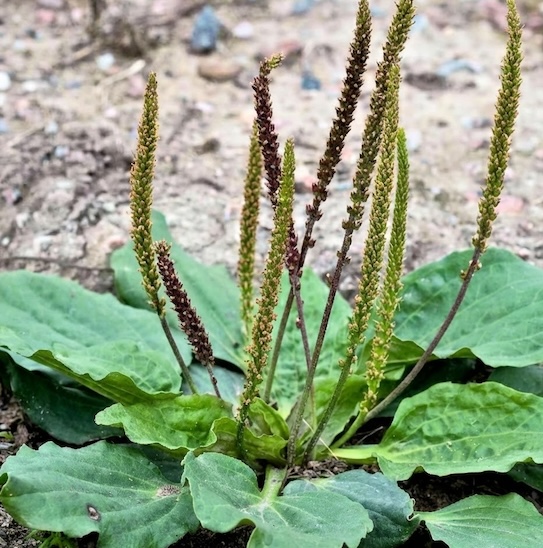
Plantain